Subsidence in South London: Causes, Signs, and Solutions
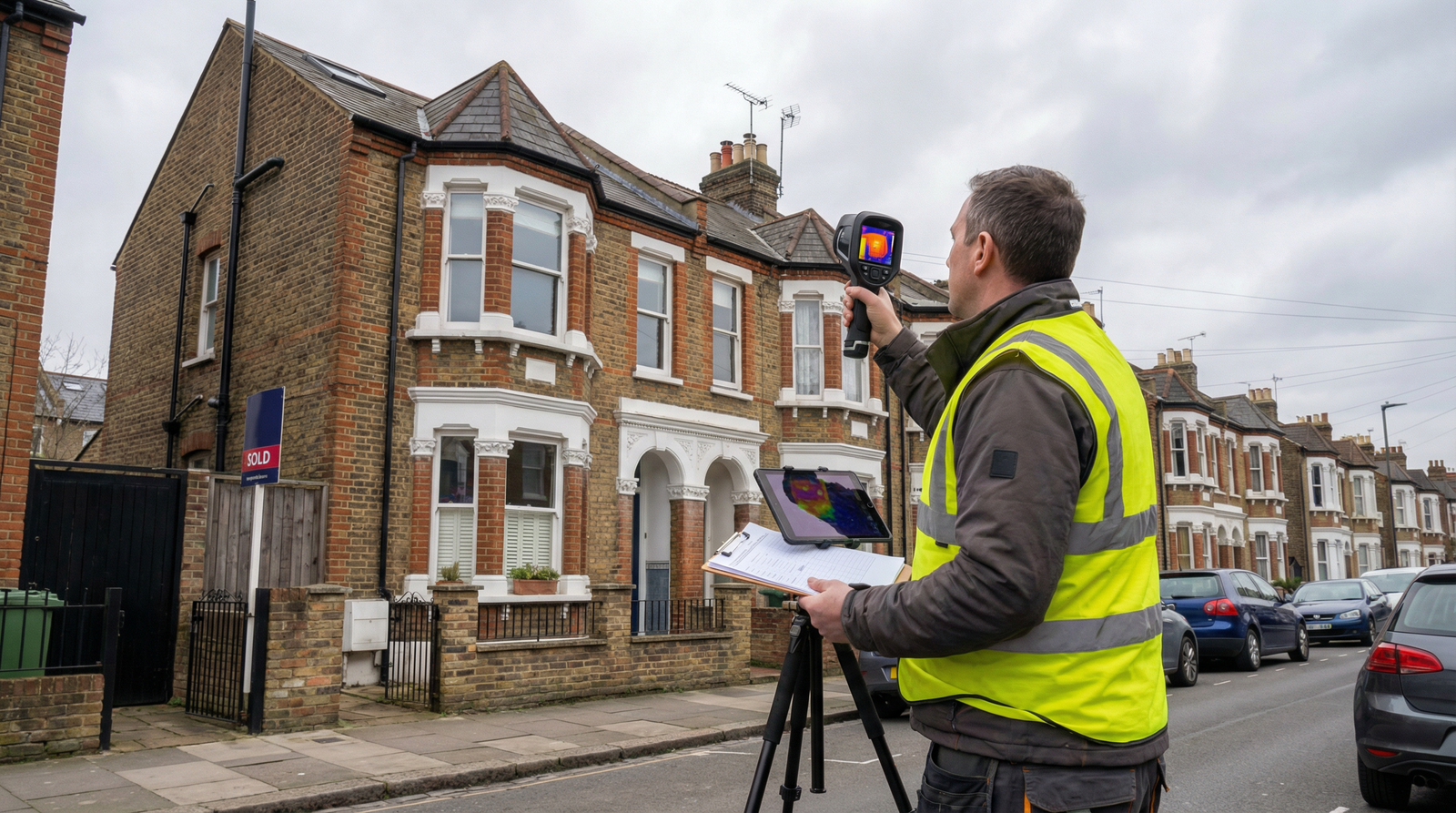
Subsidence can seriously affect property values and structural integrity. Our experienced RICS chartered surveyors explain how to identify subsidence, what causes it in South East London properties, and the treatment options available. This comprehensive guide helps homeowners and buyers across Greenwich, Lewisham, and throughout South London understand structural movement.
What is Subsidence?
Subsidence is the downward movement of the ground beneath a building, causing foundations to sink and structural damage. Our building surveyors distinguish subsidence from other forms of structural movement during property surveys throughout South London:
- Subsidence: Ground beneath sinks downward
- Settlement: Normal downward movement as new buildings bed in
- Heave: Ground swells upward (opposite of subsidence)
Causes of Subsidence in South London
Our chartered surveyors identify several common causes affecting properties across South East London:
Clay Soil Shrinkage
South London's clay soil is particularly vulnerable. During dry summers, clay shrinks as moisture evaporates, causing ground beneath properties to subside. This is the most common cause our surveyors identify in Greenwich and Lewisham.
Tree Root Damage
Large trees near buildings extract significant moisture from clay soil. Species like oak, willow, poplar, and elm pose highest risk. Our building surveyors assess tree proximity and species during property surveys throughout South East London.
Leaking Drains
Broken or leaking drains wash away supporting soil beneath foundations. Victorian properties in South London often have aging drainage systems our chartered surveyors recommend investigating when subsidence is suspected.
Mining or Ground Works
Historical mining or nearby excavation can cause ground movement. Less common in South East London but worth investigating for properties near historic industrial areas.
Signs of Subsidence
During building surveys across South London, our experienced surveyors look for these telltale signs:
Crack Patterns
Subsidence typically causes:
- Diagonal cracks (often 45-degree angle)
- Cracks wider at top than bottom
- Cracks wider than 3mm (concerning)
- Cracks near doors and windows
- Cracks appearing or widening seasonally
Other Warning Signs
- Doors and windows sticking or not closing properly
- Gaps appearing around window and door frames
- Rippling wallpaper not caused by damp
- Leaning or bulging walls
- Cracks in external brickwork
Not All Cracks Mean Subsidence
Our chartered building surveyors reassure property buyers that many cracks are harmless:
- Hairline cracks: Usually cosmetic (less than 1mm)
- Settlement cracks: Historic movement that's stabilized
- Thermal movement: Seasonal expansion/contraction
- Historic alterations: Old cracks from removed walls
Our experienced surveyors assess crack patterns, width, location, and activity during RICS Level 2 and Level 3 building surveys throughout South East London.
How Our Surveyors Assess Subsidence
When subsidence is suspected during property surveys across South London, our RICS chartered surveyors:
- Measure crack widths precisely
- Assess crack patterns and locations
- Determine if movement is recent or historic
- Identify potential causes (trees, drains, soil type)
- Recommend monitoring or immediate investigation
- Suggest specialist reports if needed
Subsidence Treatment Options
Based on our surveyors' experience with properties throughout Greenwich and Lewisham:
Monitoring
For minor or historic movement, our chartered surveyors recommend 12-month monitoring using tell-tales or crack monitors (£200-400). This determines if movement is ongoing or stabilized.
Tree Management
When trees cause subsidence, options include pruning (£500-2,000) or removal (£1,000-5,000). However, removal can cause heave as soil rehydrates. Our building surveyors advise on appropriate tree management for South East London properties.
Underpinning
Severe subsidence requires underpinning - strengthening foundations by extending them deeper. Costs vary dramatically:
- Single wall: £10,000-20,000
- Whole property: £20,000-50,000+
- Complex cases: Can exceed £100,000
Drainage Repairs
If leaking drains cause subsidence, repair costs £2,000-10,000 depending on extent. Our surveyors recommend CCTV drain surveys (£200-400) to diagnose drainage issues.
Subsidence and Property Insurance
Key points our chartered surveyors advise property owners across South London:
- Most home insurance covers subsidence damage
- Typical excess: £1,000 for subsidence claims
- Must notify insurers of known subsidence
- Previous subsidence affects insurance premiums and availability
- Some insurers exclude specific properties with subsidence history
Buying Property with Subsidence History
Our building surveyors advise buyers considering properties with previous subsidence:
- Request full details of remedial works completed
- Obtain engineer's completion certificates
- Check structural warranty remains valid (typically 10 years)
- Verify insurance availability before committing
- Consider discount on purchase price (typically 10-25%)
- Instruct experienced chartered surveyors for detailed RICS Level 3 survey
Prevention Tips
Our surveyors recommend these preventative measures for South East London properties:
- Maintain consistent soil moisture around foundations
- Install soakaways for proper drainage
- Manage trees appropriately (prune, don't remove without advice)
- Fix leaking drains and gutters promptly
- Avoid excavating too close to foundations
- Regular property inspections by qualified surveyors
Important Advice
If you notice cracks or suspect subsidence in your South London property, don't panic. Most cracks aren't subsidence, but early professional assessment by our RICS chartered surveyors ensures proper diagnosis and treatment if needed.
Concerned About Subsidence?
Our experienced building surveyors provide expert subsidence assessments throughout South East London. Whether buying a property with known subsidence or worried about cracks in your current home, we deliver professional advice. Contact us today.